Balance and Energy: How Small Daily Habits Shift Your Mood
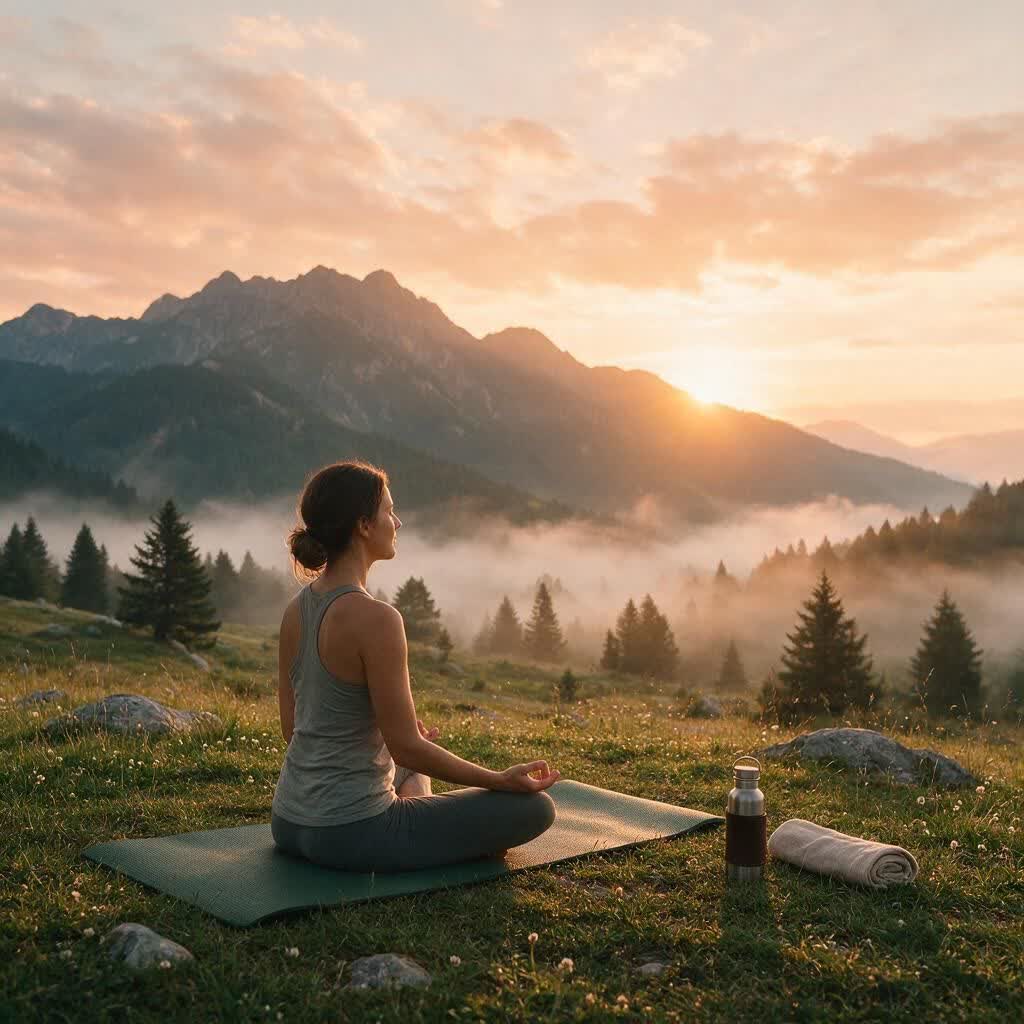
Low mood and end-of-day fatigue are among the most commonly reported everyday complaints. Public health guidance links them, in part, to sedentary routines and a lack of real breaks. The encouraging part: the practices most often recommended in that guidance are small ones — they do not require a complete lifestyle overhaul.
This article summarises low-risk, widely recommended habits described in public guidance from bodies such as the World Health Organization and the UK NHS. None of them require a gym membership or a free hour a day; most fit into an ordinary morning or a lunch break.
1. Movement — it's not about sport, it's about circulation
This isn't about training for results. The WHO recommends at least 150–300 minutes of moderate activity per week for adults — which works out at roughly 20–40 minutes a day of walking, stretching or a simple routine. General health guidance associates regular light activity with better energy levels and concentration. How quickly any individual notices a difference varies widely, and for some people it does not change how they feel at all.
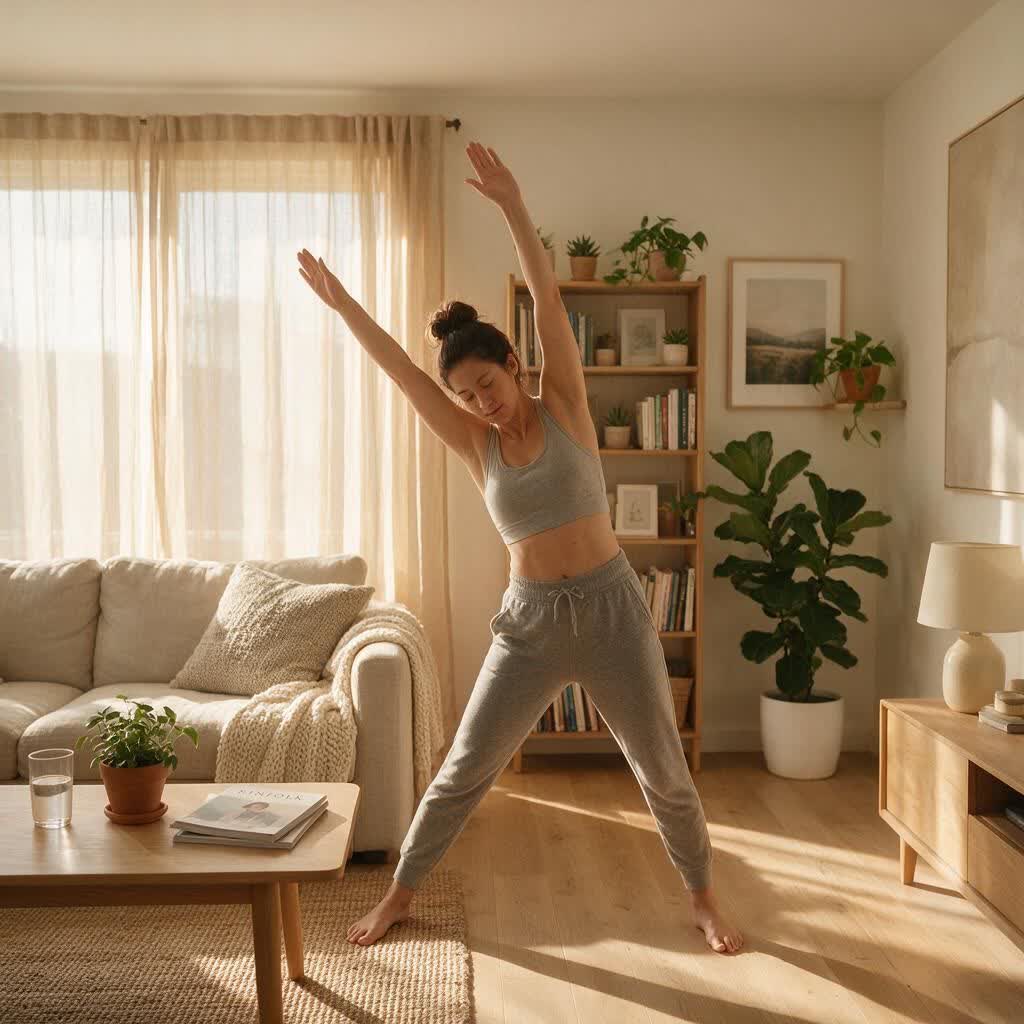
Physical activity is commonly described in public health guidance as a way to ease physical tension and shift attention away from recurring worries. It is a general wellbeing habit, not a treatment for any medical or psychological condition.
2. What this looks like in practice: two stories
To keep this from staying abstract, two readers described their own routines to us. These are unverified personal accounts, published as submitted. They are anecdotes, not evidence, and nothing in them should be read as a typical or expected outcome.

Unverified reader account, published as submitted. This is an individual anecdote, not medical advice and not evidence. Results are not typical and are not guaranteed.
One reader's routine. She wrote that she added a morning walk and a couple of minutes of slow breathing before demanding tasks. In her own description, the change was gradual rather than sudden, and she says she came to enjoy ordinary parts of the day again — morning coffee, a conversation with a friend, an afternoon outdoors. She notes the routine was only one of several things going on in her life at the time.

Personal anecdote — not medical advice. Individual results vary and are not guaranteed.
Another reader's routine. He wrote that he had drifted into a mostly desk-bound week and started with a short daily walk plus stretching at the end of the working day. What he describes noticing is mundane: he keeps the habit up, he sits less, and he finds the end of the day less heavy going. He makes no claim beyond that, and says nothing about it was fast.
3. Breathing as a tool, not an abstraction
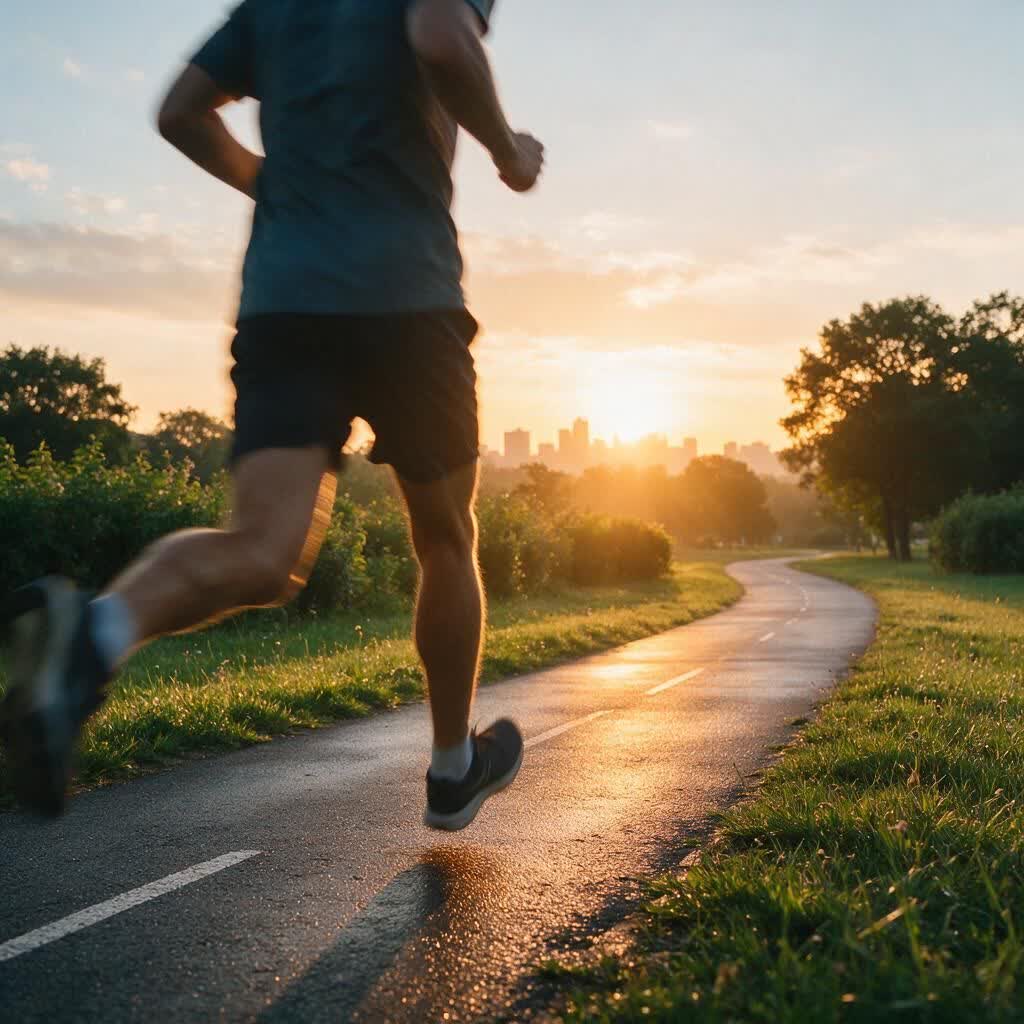
Slow, paced breathing is one of the self-help techniques listed in NHS guidance on stress. A few minutes of steady breathing is described there as something that may help people feel calmer in a tense moment. It is a general self-help habit and is not a treatment for anxiety or any other condition.
"Any activity is better than none. Even small amounts of physical activity are beneficial." — World Health Organization, Physical activity fact sheet
4. Evening and morning rituals
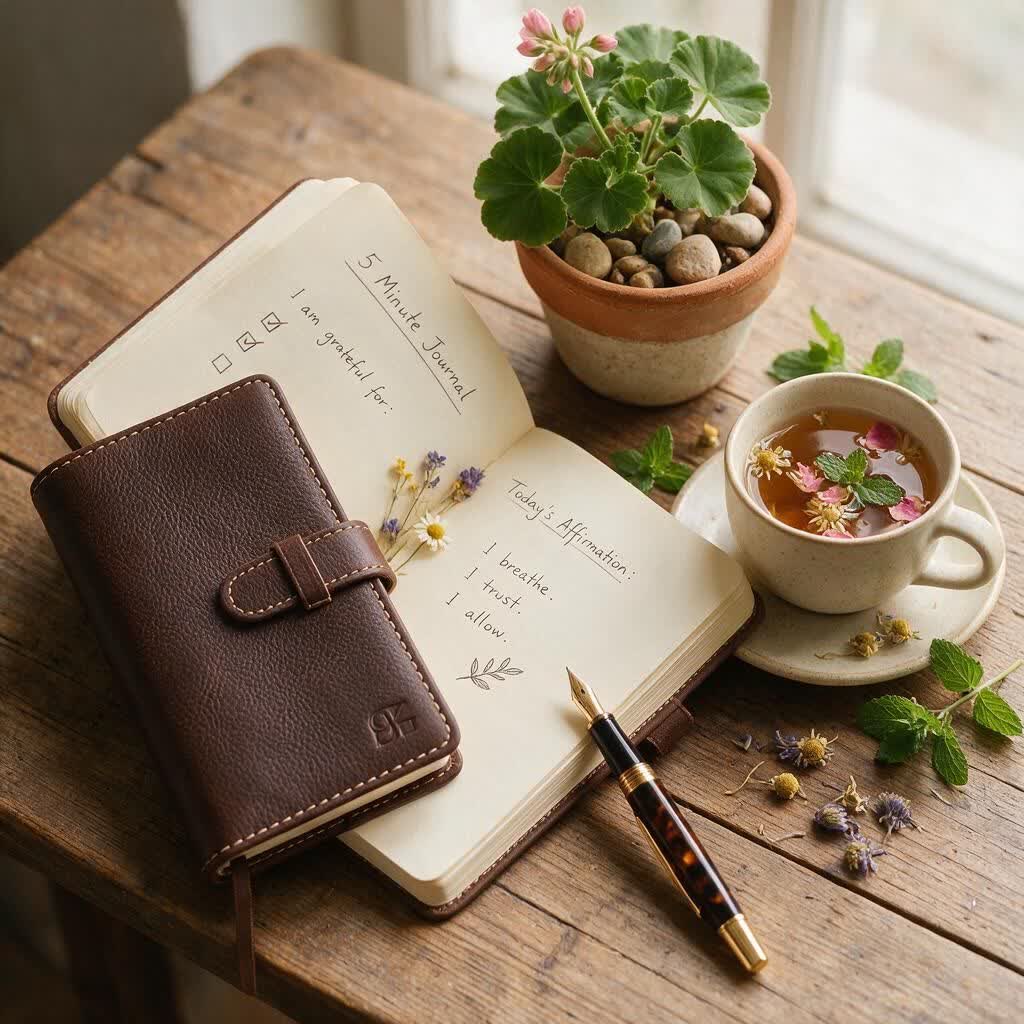
Small, consistent rituals — a few quiet minutes in the morning, a short note in a journal at night, putting the screen away 20–30 minutes before bed — help the body better recognize its rest and recovery phases. None of this requires special conditions, just consistency.
5. Mindfulness in the small things
- A 2–3 minute pause between tasks instead of constant switching without a break
- Eating a meal mindfully, without a phone or other distractions
- A short walk outdoors in the middle of the day
- Noting one good thing that happened during the day
On their own, each of these practices seems minor. But woven into a simple daily structure, they gradually change how a person feels throughout the day — calmer, steadier, with more consistent energy.
Habits like these are often easier to keep up with company. A walk with someone else, or a shared wind-down in the evening, gives the routine a second reason to happen — which is usually what makes it stick.
6. Strength and stamina: the missing piece
Calm and circulation are only half the picture. The CDC's physical activity guidelines also recommend at least two days a week of muscle-strengthening activity — not for athletic performance, but because public health guidance associates it with steadier daily energy and better sleep. This does not require equipment: bodyweight moves done consistently are what the guidance actually points to.
A simple baseline that public guidance keeps coming back to:
- Two short bodyweight sessions a week — squats, incline push-ups, a plank hold. Ten minutes is enough to start.
- One outdoor session with faster effort — a brisk walk, a light jog, a few intervals if that feels right for you.
- A short recovery walk or stretch on the days in between, so the body isn't going from zero to effort with no transition.
Nutrition guidance from bodies like the NHS Eatwell Guide is less about restriction and more about balance: protein and fibre at each meal, regular meal timing, and water before caffeine in the morning. None of this is a plan for rapid change — it is what the guidance says tends to hold up over time, which is the part that is usually missing from more dramatic routines.
"Muscle-strengthening activities... provide additional health benefits beyond those from aerobic activity alone." — CDC, Physical Activity Guidelines for Adults
We put it all into one free guide
We put the practices above into one short PDF: 8 pages, no filler. Inside: three paced-breathing exercises with timings, a 10-minute morning routine, a simple no-equipment strength baseline, a simple evening wind-down checklist, and the source links used in this article. Enter your email and we will send it over.
This content is for general informational purposes only and is not a substitute for professional medical or psychological advice. If you have health concerns, please consult a qualified professional.